Influence Profile
No genre data available
Genre information will appear here once available
Trending in Ustad Bade Ghulam Ali Khan’s World
Latest Single
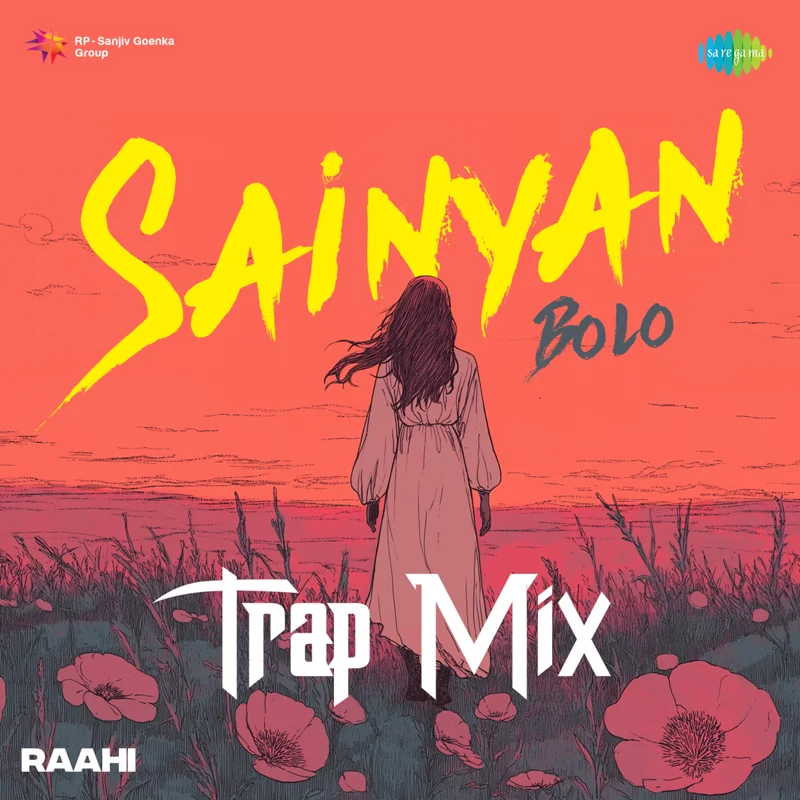
Sainyan Bolo
Released Feb 22, 2025
Trending Globally
No trending songs available.
Album

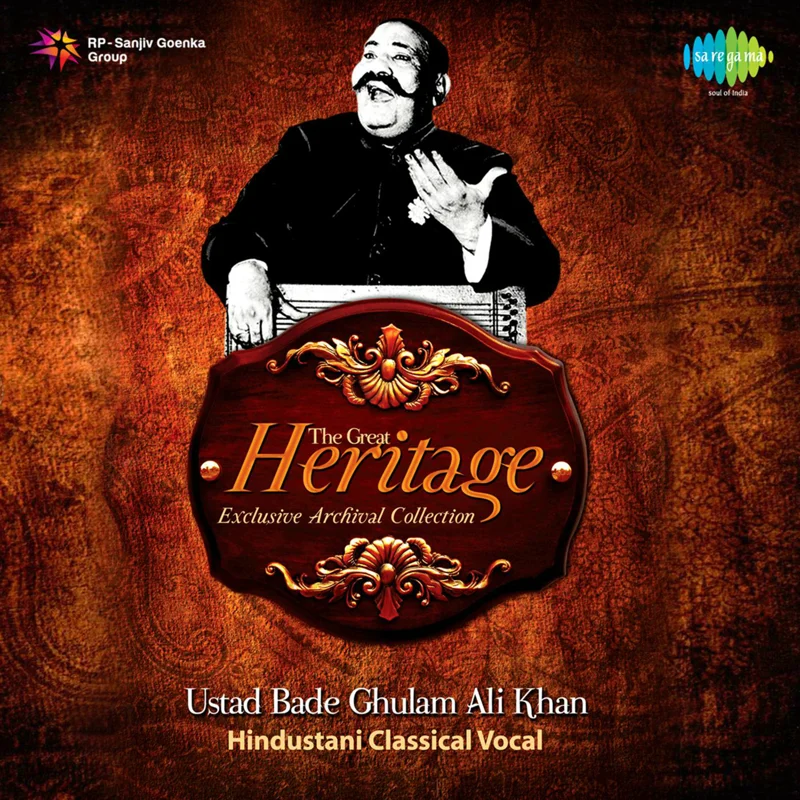
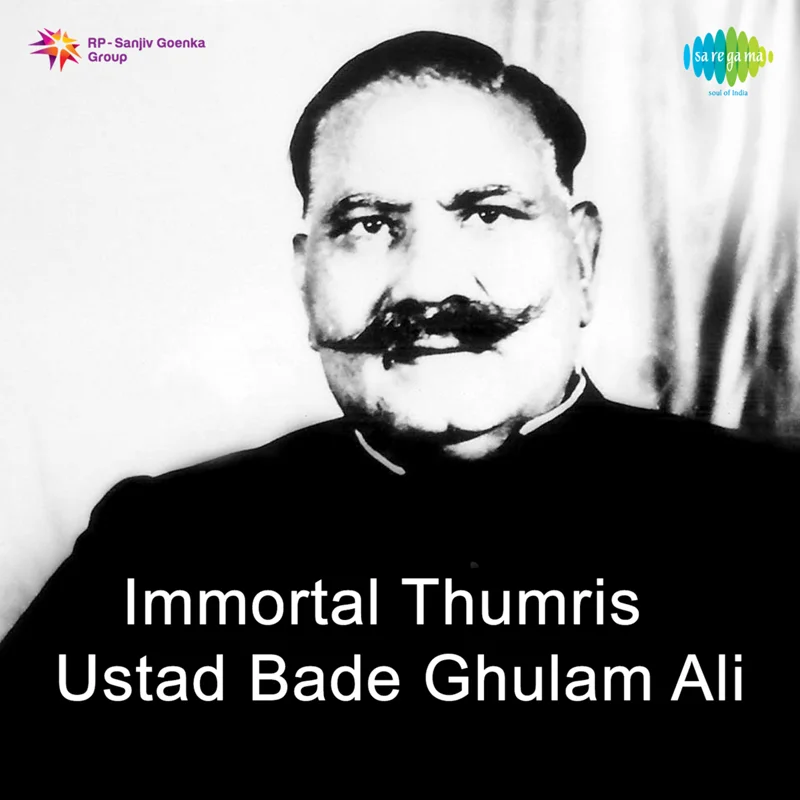
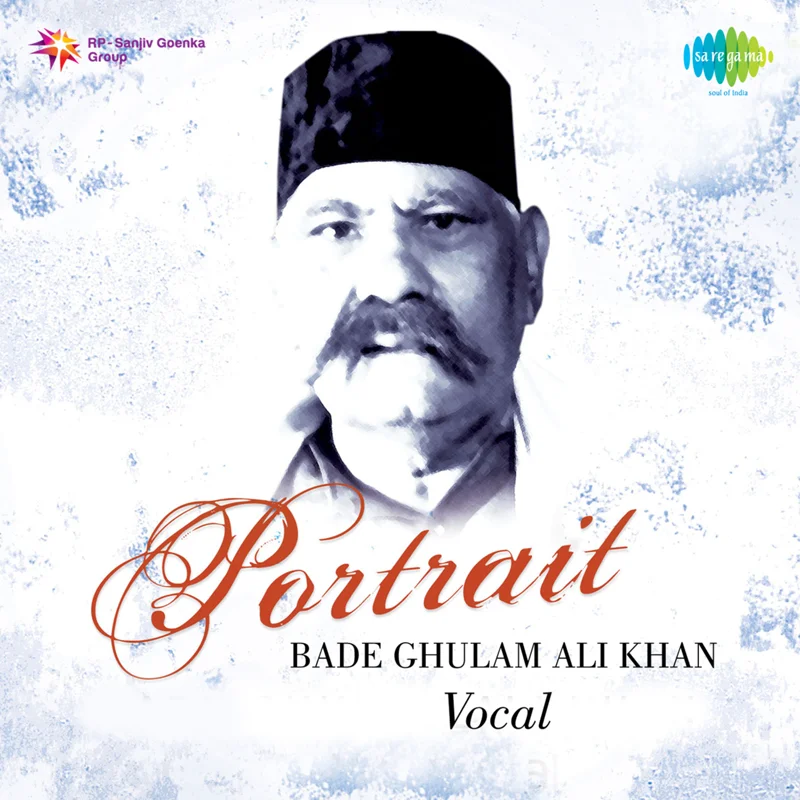
Story
Quick Facts
From
IN
IN
Journey
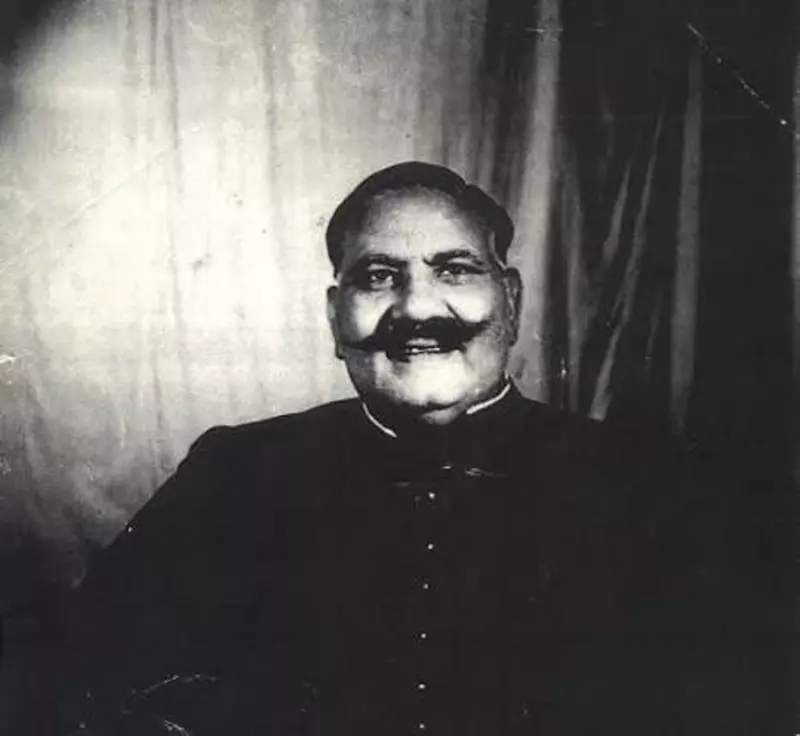
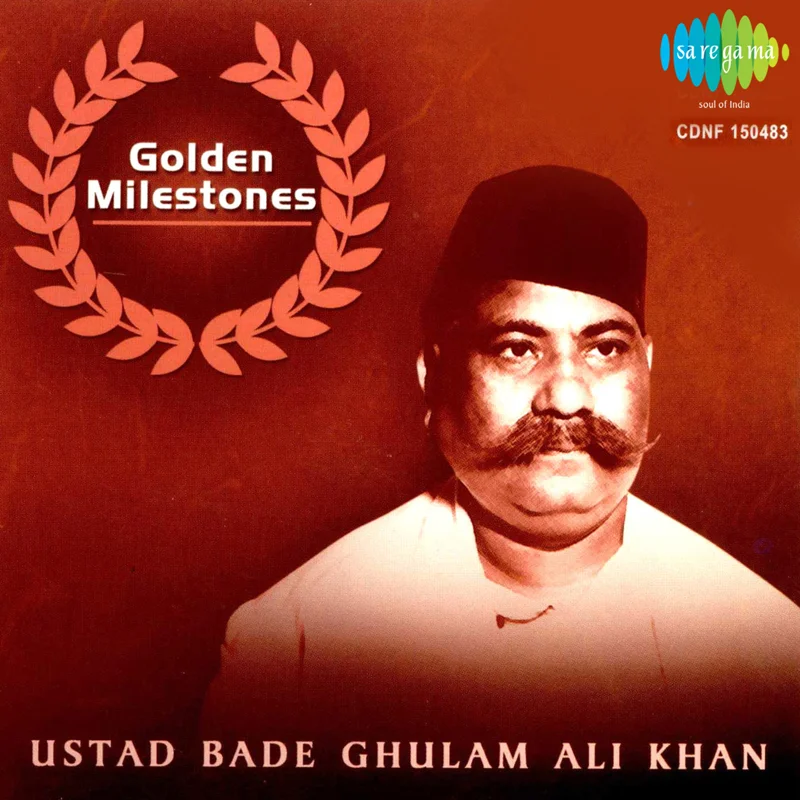
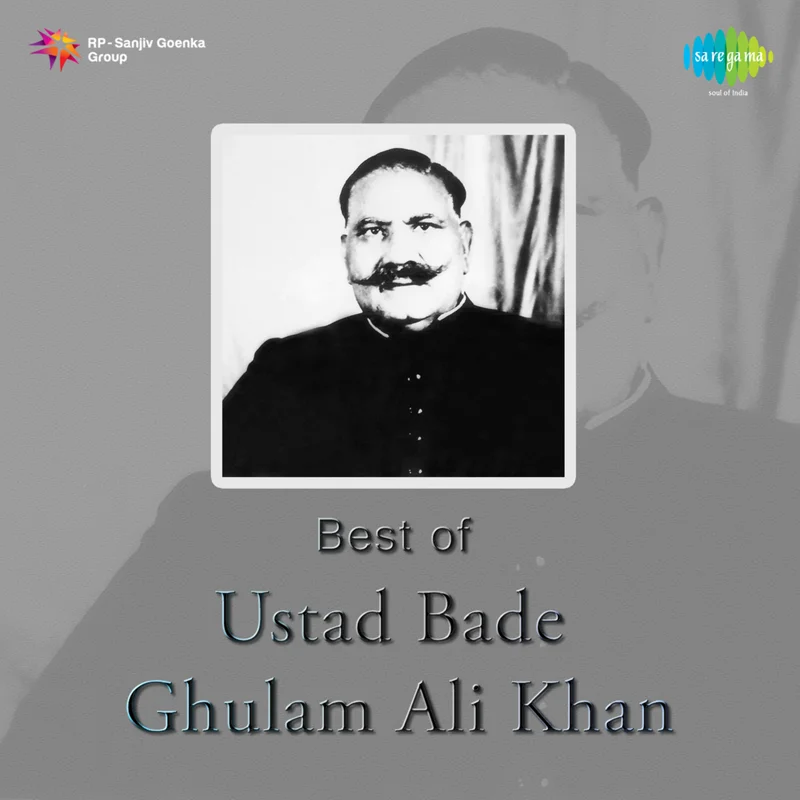
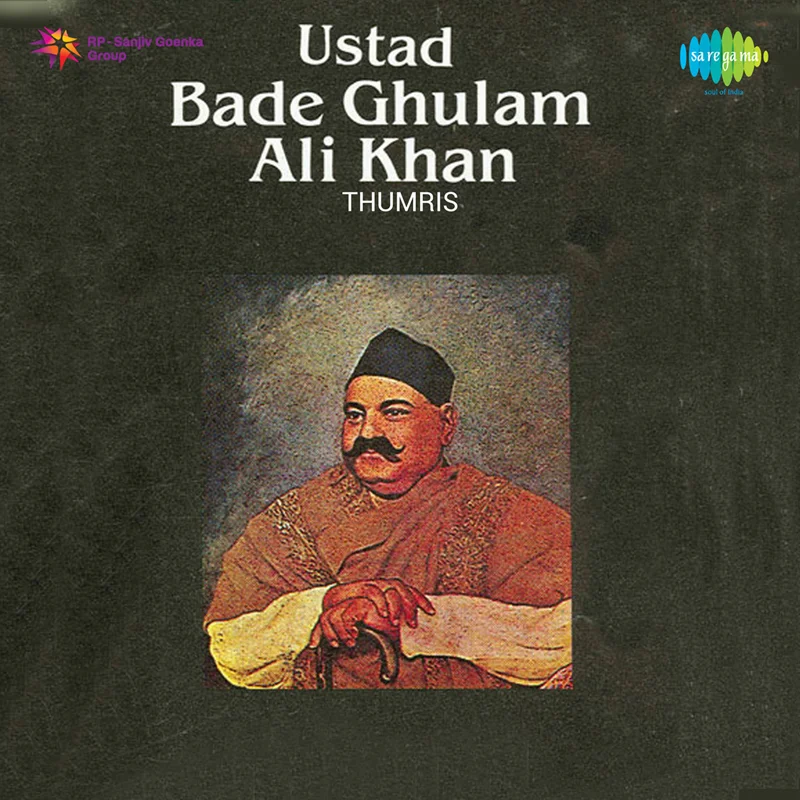
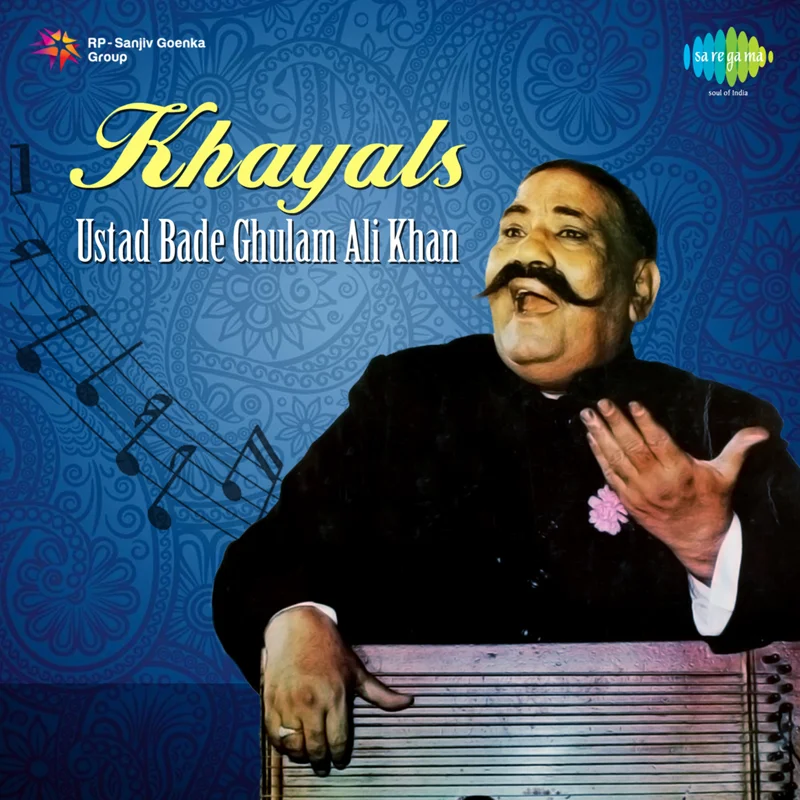
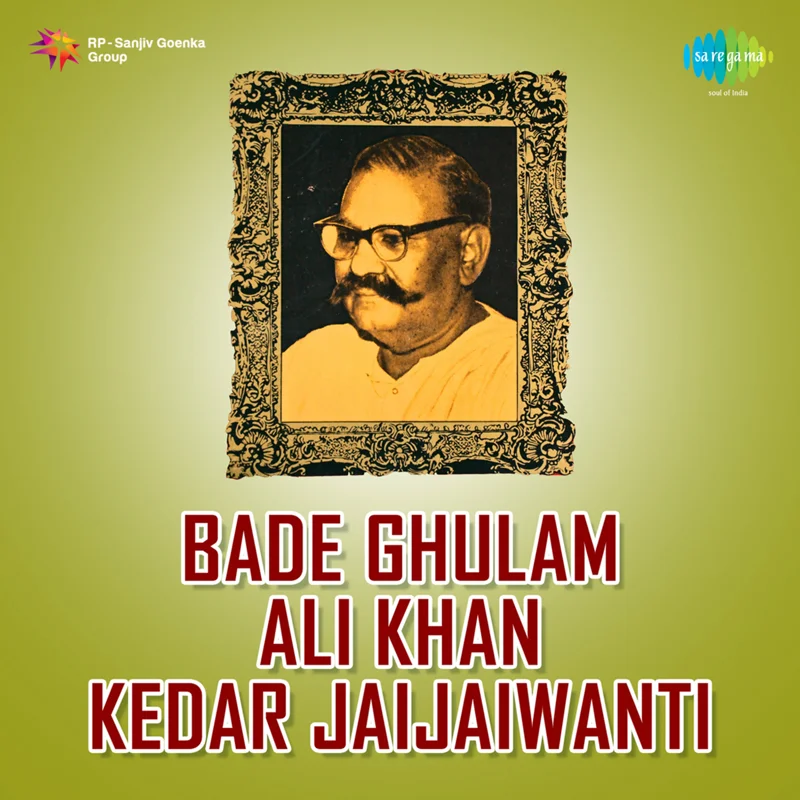
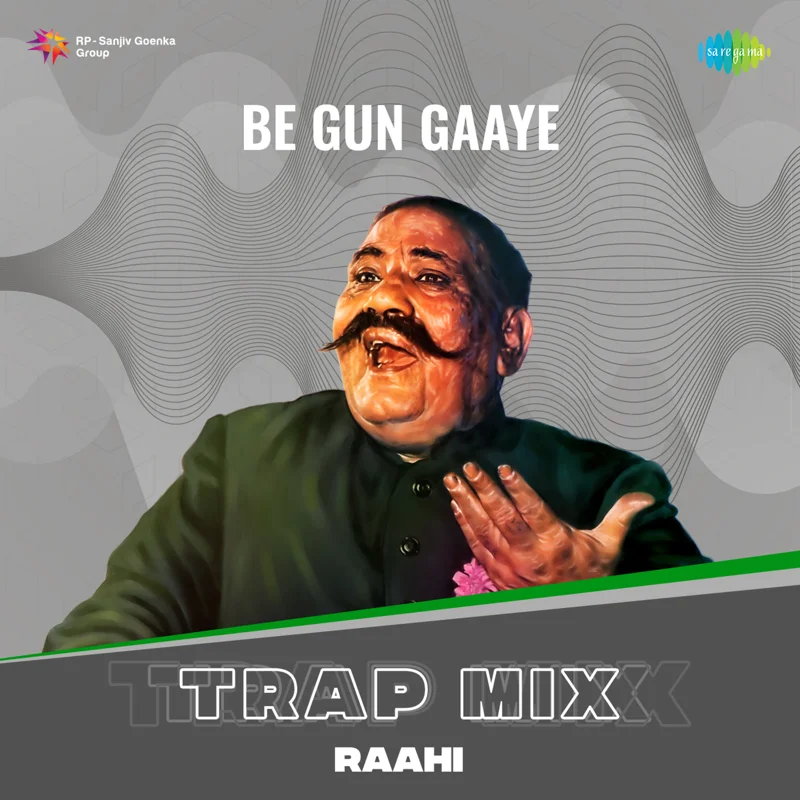
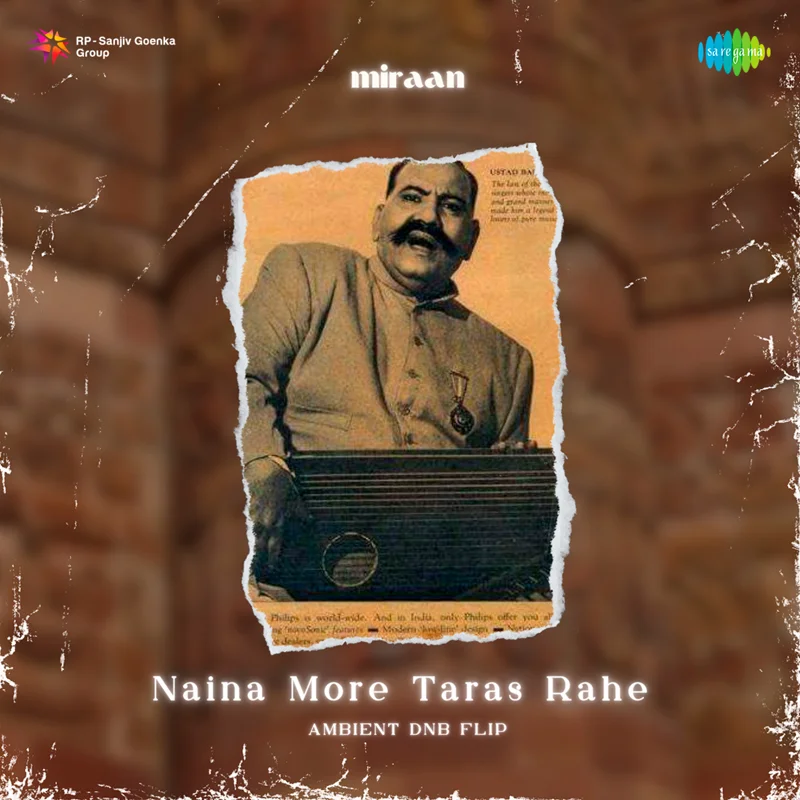
Bade Ghulam Ali Khan, one of the most celebrated vocalists in Hindustani classical music, was born in 1902 in Kasur, then part of British India and now in Pakistan. He belonged to the distinguished Patiala gharana and was trained primarily by his father, Ustad Ali Baksh Khan, and uncle, Ustad Kale Khan. His early education immersed him in khayal, thumri, dhrupad, and instrumental music, and his exceptional musical memory became evident from childhood.
He began performing publicly as a young musician and gradually earned recognition across the Indian subcontinent for the extraordinary flexibility of his voice, his effortless taans, and his emotionally charged interpretations of ragas. By the 1930s and 1940s, he was widely regarded as one of the leading exponents of the Patiala tradition.
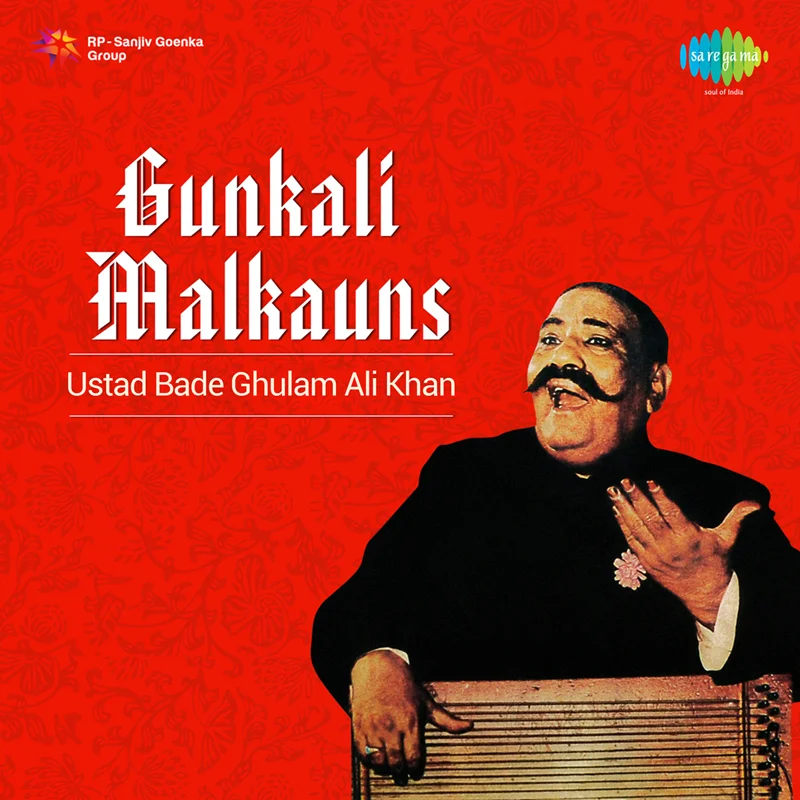
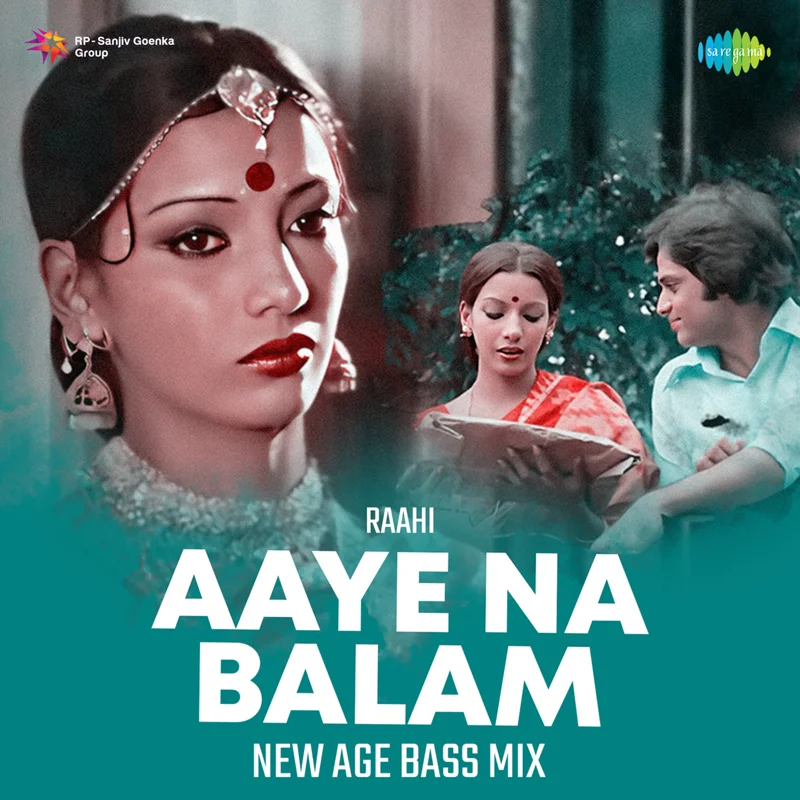
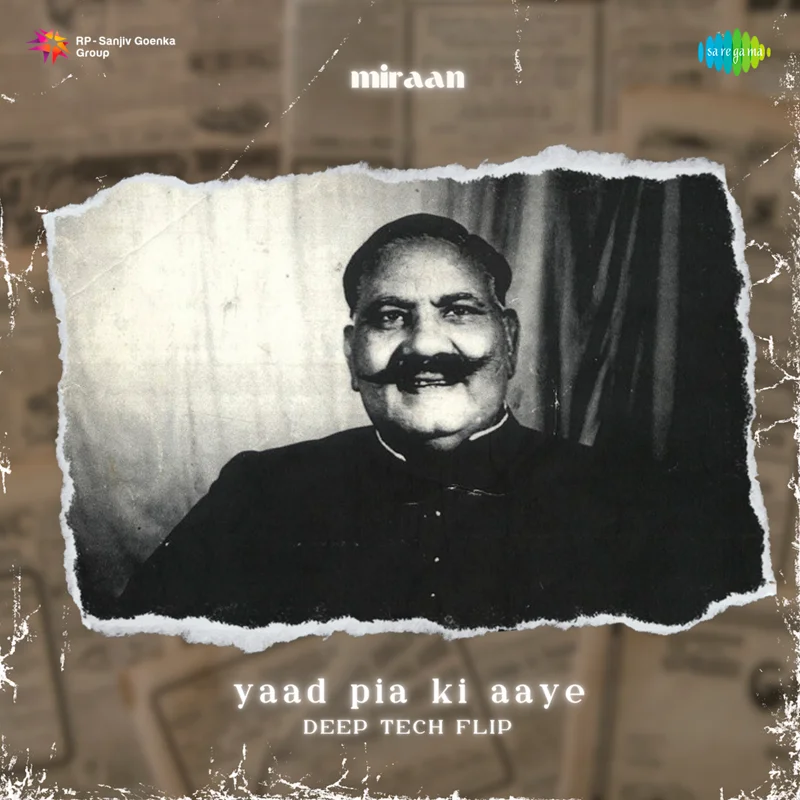
Following the Partition of India in 1947, he eventually settled in India and continued to build an influential concert career. His repertoire encompassed major ragas such as Darbari Kanada, Malkauns, Bhairavi, Yaman, and Multani, while his thumri singing achieved legendary status. Recordings including “Yaad Piya Ki Aaye,” “Aaye Na Balam,” “Prem Jogan Ban Ke,” “Raga Darbari,” “Raga Malkauns,” and “Raga Bhairavi” remain among the most admired documents of twentieth-century Hindustani vocal music.
Bade Ghulam Ali Khan also contributed playback singing to Indian cinema, most notably for “Mughal-e-Azam” (1960) at the request of filmmaker K. Asif. His association with the film brought classical vocalism to a much wider audience while preserving the integrity of his artistic style.
His achievements included the Sangeet Natak Akademi Award and the Padma Bhushan, among India’s highest artistic honors. He was admired by contemporaries such as Pandit Ravi Shankar, Ustad Amir Khan, Bhimsen Joshi, and many leading musicians of his era.
Culturally, he is remembered as a transformative figure whose lyrical phrasing, melodic imagination, and expressive thumri singing reshaped expectations of Hindustani vocal performance. His style influenced generations of vocalists across gharanas.
Ustad Bade Ghulam Ali Khan died in Hyderabad on 25 April 1968. His recordings continue to be studied by students and performers worldwide and remain central to the living tradition of Hindustani classical music.